

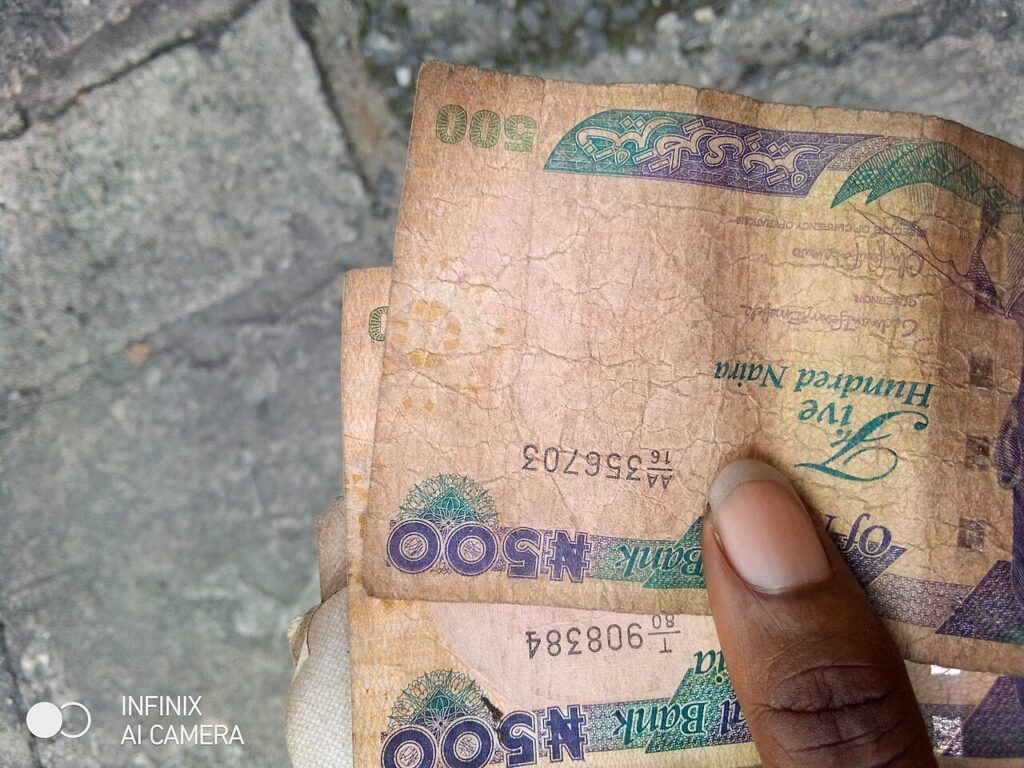
A viral claim that President Bola Tinubu borrowed ₦120 trillion in three years is not supported by official figures. Nigeria public debt data from the Debt Management Office (DMO) show the total stock rose from ₦87.38 trillion in June 2023, a month after Mr Tinubu took office, to ₦166.79 trillion on 30 June 2026. That is a rise of ₦79.41 trillion, and much of it came from the naira’s fall and old central bank overdrafts being booked as debt.
Why it matters: every naira of public debt is repaid with interest from the same revenue that pays for roads, schools and salaries, and with the 2027 campaigns under way, debt figures are now being used as political ammunition by both sides.
Key facts at a glance
- Total public debt was ₦166.79 trillion ($120.93 billion) on 30 June 2026, the DMO’s latest figure.
- It stood at ₦46.25 trillion in December 2022 and ₦87.38 trillion ($113.42 billion) in June 2023.
- ₦22.71 trillion of the 2023 jump came from Ways and Means overdrafts (loans from the Central Bank to the federal government) converted into formal debt in May 2023.
- De Auditor Space’s own calculation: ₦166.79 trillion minus ₦46.25 trillion is ₦120.54 trillion, close to the viral figure, but that gap is a change in total debt stock, not a record of new loans.
- Fact Check Africa rated the viral graphic “Misleading” on 7 November.

Where did the ₦120 trillion claim come from?
A graphic shared widely on social media last week said 16 Nigerian leaders borrowed ₦46 trillion in 63 years, while Mr Tinubu borrowed ₦120 trillion in three. Fact Check Africa traced it to a post on X and found it gave no source or method for either number.
The ₦46 trillion figure matches the DMO’s total public debt at 31 December 2022, which was ₦46.25 trillion. That is what Nigeria owed on one day. It is not the sum of everything borrowed since 1960.
When we subtract that December 2022 figure from the June 2026 total, the gap is ₦120.54 trillion. The viral number appears to come from this kind of sum. But the gap contains five months of the Buhari government, a large overdraft that was converted into debt before Mr Tinubu was sworn in, and the effect of the naira losing value against the dollar.
What did the Presidency say about the debt claim?
Dada Olusegun, Special Assistant to the President on Social Media, rejected the claim in a statement posted on X on Sunday, 8 November, according to Naija News and New Telegraph. He said the ₦46 trillion figure left out ₦22.7 trillion in Central Bank overdrafts and that older calculations converted foreign loans at ₦448 to the dollar, when the street rate was above ₦700.
After the exchange rate was unified in June 2023, he wrote, “the exact same dollar debt instantly looked ₦13.4 trillion larger on paper overnight”. He put the rise in public debt in dollar terms at $7.5 billion, from $113.4 billion in June 2023 to $120.9 billion in June 2026.
How much has Nigeria public debt risen under Tinubu?
The DMO’s own figures tell most of the story. Total debt was ₦49.85 trillion at the end of March 2023. Three months later it was ₦87.38 trillion, a jump of ₦37.53 trillion in one quarter, as TheCable and Nairametrics reported at the time.
The DMO said the main addition was the ₦22.712 trillion of “securitized” Ways and Means advances, meaning Central Bank overdrafts swapped into long-term government bonds. That single item explains about 60.5% of the quarter’s rise. The National Assembly approved the conversion in May 2023, in the last weeks of the Buhari administration, CNBC Africa reported.
Between June 2023 and June 2026, total debt grew by ₦79.41 trillion, or 90.9%. Domestic debt rose from ₦54.13 trillion to ₦91.59 trillion. External debt rose from ₦33.25 trillion to ₦75.2 trillion, BusinessDay reported from DMO data.
The exchange rate drives a large part of that external rise. Dividing the DMO’s June 2023 naira total by its dollar total gives a rate of about ₦770 to the dollar. For June 2026 the DMO used the Central Bank rate of ₦1,379. A loan of $1 million was worth about ₦770 million on the first date and ₦1.379 billion on the second, with no new dollar borrowed.
Finance Minister Wale Edun made a similar argument in January. He said nearly ₦49 trillion of the rise came from revaluing foreign debt after the currency reforms, and about ₦30 trillion from Ways and Means overdrafts that had not been on the books, Nairametrics reported.
Does the dollar figure settle the argument?
Not on its own. Most of Nigeria’s debt is in naira, so the dollar total also moves with the exchange rate. That is why the DMO’s dollar figure fell to $99.66 billion in June 2025, when the naira was weaker, before climbing to $120.93 billion in June 2026.
Debt is still growing in real terms. In the year to June 2026 alone, total debt rose by ₦14.39 trillion, or 9.4%, with no one-off overdraft conversion in that period. Mr Tinubu has also asked the Senate to approve a $7.7 billion external loan for the 2026 budget, and the World Bank put Nigeria’s external debt at $145 billion in 2025 on its wider measure.
Timeline: Nigeria public debt, 2022 to 2026
- 31 December 2022: total public debt ₦46.25 trillion (DMO).
- 31 March 2023: ₦49.85 trillion.
- May 2023: National Assembly approves converting ₦22.7 trillion of Central Bank overdrafts into bonds.
- 29 May 2023: Bola Tinubu sworn in as president.
- 30 June 2023: ₦87.38 trillion ($113.42 billion).
- 30 June 2025: ₦152.40 trillion ($99.66 billion).
- 30 June 2026: ₦166.79 trillion ($120.93 billion).
- 7 and 8 November 2026: Fact Check Africa rates the ₦120 trillion graphic misleading; the Presidency issues its rebuttal.
What it means for you
Public debt is repaid from taxes, oil money and other federal revenue. The more the country owes, the more of that revenue goes to interest instead of services. A weaker naira also makes foreign loans more expensive to repay in naira.
When you see a debt figure online, check its date, its currency and whether it is the total owed or new loans taken. The ₦120 trillion graphic mixed up the last two.
What happens next
The DMO publishes total debt figures each quarter. Its June 2026 data came out in late September, so figures for 30 September 2026 are likely before the end of the year. The Senate has yet to vote on the $7.7 billion loan request.
Frequently asked questions
How much is Nigeria public debt now?
₦166.79 trillion, or $120.93 billion, on 30 June 2026. This covers the federal government, the 36 states and the Federal Capital Territory.
Did Tinubu borrow ₦120 trillion?
DMO data do not show ₦120 trillion in new loans. Total debt rose by ₦79.41 trillion between June 2023 and June 2026, and a large part of that came from the exchange rate and from overdrafts converted into debt.
Related coverage
- Nigeria external debt rises to $145bn in 2025, World Bank says
- Tinubu loan request: Senate asked to approve $7.7bn for 2026
This article is for information only and is not financial advice.
Sources: DMO: Total public debt · Fact Check Africa: ₦120trn claim · Naija News: Presidency statement · New Telegraph: Presidency dismisses claim · The Tide: Presidency replies · BusinessDay: Debt at ₦166.79trn · TheCable: Q2 2023 debt · Nairametrics: Q2 2023 debt · Nairametrics: Edun on debt rise · CNBC Africa: Ways and Means approval


Join the conversation
Comments are moderated. Keep it respectful and on topic: no insults, hate, spam or personal details.