

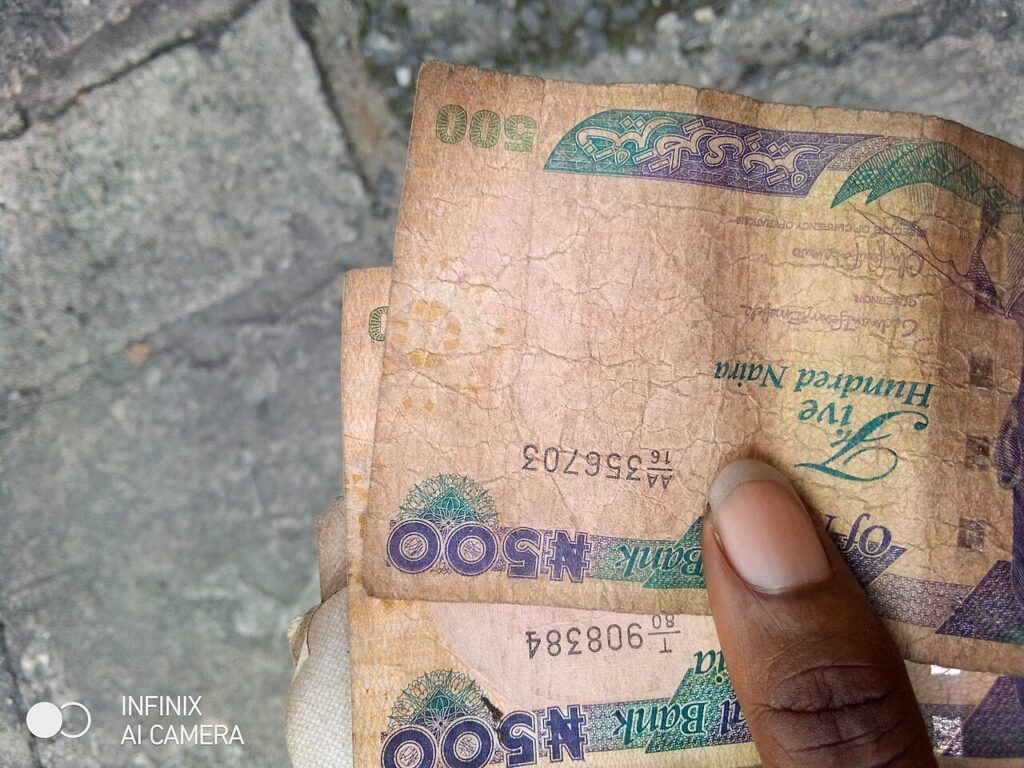
Edo State paid ₦61.97 billion in loan interest and repayments between January and September 2026. That is ₦21.97 billion more than the ₦40 billion the state set aside for debt for the whole year, according to its own budget implementation report for the third quarter.
The Edo State budget report was published on the government website on 28 October 2026. It is produced by the Office of the Accountant General and the Ministry of Budget and Economic Planning. Our review of the 82-page document shows debt costs running ahead of plan while school and clinic projects lag well behind.
Debt costs: what the Edo State budget report shows
The 2026 budget gave ₦40.00 billion to “public debt charges”. This covers interest and principal on the state’s local and foreign loans. By 30 September, the state had spent ₦61.97 billion on this line, or 155% of the annual figure, with a full quarter still to go.
Interest is the main reason. The state planned to pay ₦19.22 billion in interest this year. It had paid ₦39.13 billion by September, just over twice the plan. Interest on long-term domestic loans reached ₦19.98 billion against ₦6.53 billion budgeted.
Foreign loans also cost more than planned. Foreign interest was ₦19.15 billion against ₦11.74 billion budgeted, and foreign principal ₦6.86 billion against ₦4.13 billion. Only domestic principal is within its limit, at ₦15.98 billion of ₦16.64 billion.
The third quarter alone, July to September, took ₦24.31 billion in debt payments. The report does not explain why the debt lines ran ahead of plan. It also says it measures performance against the original 2026 budget, so any later changes to the debt figures are not reflected.

Where Edo’s money came from
Edo’s 2026 budget is ₦939.85 billion, including a ₦20 billion opening balance. By the end of September, the state had received ₦476.53 billion, or 50.7% of the year’s target. Three-quarters of the year had passed by then, so a steady pace would have been about 75%.
- Federation Account (FAAC) allocation: ₦266.95 billion, 55.5% of its target and the largest single source.
- Internally generated revenue (taxes, fees and levies the state collects itself): ₦100.12 billion, 63% of the ₦158.94 billion target.
- Capital Development Fund receipts: ₦61.48 billion of an expected ₦240.6 billion (25.6%).
- Aid and grants: nothing received against ₦39.25 billion expected.
The report credits the stronger revenue collection to “improving efficiency in revenue administration”. For scale, the ₦61.97 billion paid on debt equals about 62% of all the revenue the state raised by itself over the same nine months.
Roads and buildings: capital spending at 39%
The state spent ₦459.95 billion in total by September, or 48.9% of the budget. Salaries, pensions and gratuities took ₦83.81 billion (61.8% of their allocation). Overheads, the running costs of ministries and agencies, took ₦67.95 billion (52.7%).
Capital spending, the money for roads, buildings and equipment, reached ₦245.98 billion of ₦633.33 billion. That is 38.8% of the year’s plan. To reach the three-quarter mark, the state would have needed about ₦229 billion more by September.
The pace did pick up. The report says capital spending in the third quarter hit 78% of the quarter’s target, up from 33% in the second quarter.
Schools and health centres are furthest behind
The State Universal Basic Education Board (SUBEB), which runs public primary and junior secondary schools, had ₦10.8 billion in the budget. It had spent ₦1.50 billion, or 13.9%. The report says capital spending in basic education reached only about 8% of its annual budget, and calls this “substantial under-execution”.
- Building and renovating primary and junior secondary schools: ₦785.3 million spent of ₦4 billion (19.6%).
- Instructional materials: ₦258.4 million of ₦3 billion (8.6%).
- Supply of school furniture across the state: nothing spent of ₦1 billion.
- State counterpart funds for school projects with the Universal Basic Education Commission (UBEC): nothing spent of ₦1.5 billion.
Primary healthcare shows the same pattern. The Edo State Primary Health Care Agency spent ₦6.60 billion of ₦11.30 billion, but salaries made up 91% of primary healthcare spending. Capital spending reached about 2% of its allocation. A separate ₦2.7 billion Ministry of Health line for building and remodelling primary health centres across the state had no spending recorded.
The report’s own assessment is blunt. “Budget execution remained weak,” it says of primary healthcare, and it recommends “investigating low releases and expenditure” and dealing with procurement delays.
Two social support lines also show no payments so far: ₦924 million for transfers to unemployed people and ₦852 million for aged and vulnerable groups.
What it means for people in Edo
Debt payments, salaries and projects are paid from the same pool of money. When debt service runs ₦22 billion over plan, the state must cover it from revenue meant for other items or from new borrowing, and the report does not say which it has done.
For residents in Benin City, Auchi, Ekpoma and rural wards, the slow pace on school furniture, classrooms and health centres matters more than the totals. These are the budget lines that turn into visible services, and most of them were far below the three-quarter mark at the end of September.
What happens next
The report says Edo publishes these reviews within 28 days of the end of each quarter, so the full-year figures for 2026 should appear by late January 2027. The state’s website also carries a 2027 budget template, a sign that work on next year’s budget has started.
For wider context on public borrowing, see our checks on claims about Nigeria’s public debt and the World Bank’s figures showing Nigeria’s external debt rising to $145bn.
This article is for information only and is not financial advice.
Sources: Edo State Government: FY 2026 Q3 Budget Implementation Report (web page) · Edo State Government: Budget Implementation Report, Quarter 3 2026 (PDF, published 28 October 2026)

Join the conversation
Comments are moderated. Keep it respectful and on topic: no insults, hate, spam or personal details.