

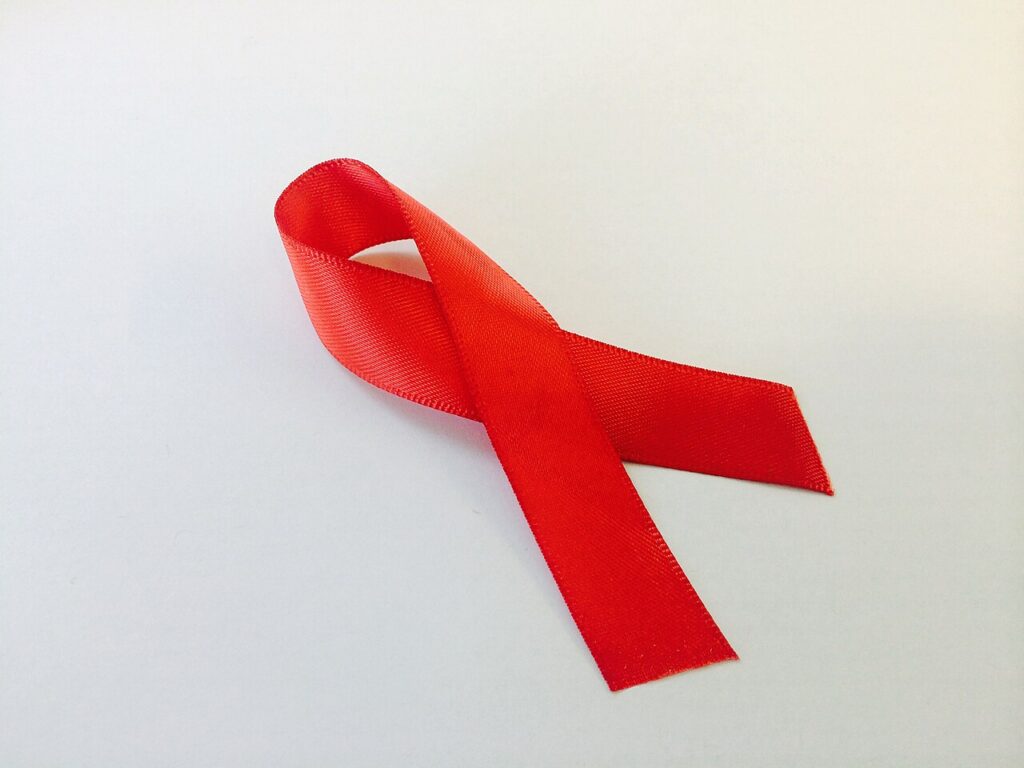
Only 58.3% of people living with HIV in Lagos know they have the virus, the Lagos HIV survey released in Ikeja on Wednesday, 4 November 2026, has found. That leaves about four in every ten people with HIV in the state undiagnosed.
Why it matters: People who do not know they have HIV cannot start the free treatment that keeps them well and stops them passing the virus on.
Key facts at a glance
- 58.3% of people living with HIV in Lagos know their status.
- 93.4% of those diagnosed are on antiretroviral therapy (ART, the daily drugs that control HIV).
- 88.9% of those on treatment have the virus suppressed.
- Among adults aged 15 to 64, 1.6% of women and 0.8% of men have HIV.
- More than 60,000 people with HIV in Lagos are outside treatment, state officials say.
What did the Lagos HIV survey find?
The 2025–2026 ART Impact Survey measured how many people have HIV, how many know it, how many are on drugs and how many have the virus under control. The Lagos summary was presented at the Sheraton Hotel, Ikeja, by survey lead Dr Ubong Okon of APIN Public Health Initiatives.
Women in Lagos are twice as likely as men to be living with HIV. The figures for treatment and viral suppression are strong. The weak point is testing.
How far is Lagos from the global target?
UNAIDS, the UN agency for HIV, sets a 95-95-95 target. It wants 95% of people with HIV to know their status, 95% of them to be on treatment, and 95% of those to have the virus suppressed.
Lagos is close on the second and third steps. On the first it trails by almost 37 percentage points.
How many people in Lagos have HIV?
Dr Dayo Lajide, Permanent Secretary of the Lagos State Ministry of Health, cited the 2025 HIV Health Sector Report. It estimates that more than 190,000 people in Lagos are living with HIV and that 129,977 are on treatment, a coverage of 65.7%.
Prevention of mother-to-child transmission now reaches 57.6% of those who need it, up from 45% in 2018. Testing of babies born to mothers with HIV is low. BusinessDay reported that early infant diagnosis fell from 7.7% in 2021 to 1.5% in 2025, and that only about 44.5% of children with HIV are on treatment.
How was the survey done?
Fieldwork ran from November 2025 to February 2026 in 205 enumeration areas (small mapped survey zones) and 6,450 households. APIN led it with the Federal Ministry of Health, the National Agency for the Control of AIDS (NACA), the Nigeria Centre for Disease Control (NCDC) and the Lagos State Government. The United States government backed it.
Background
- 2018: The Nigeria HIV/AIDS Indicator and Impact Survey sets the baseline these results are compared against.
- November 2025 to February 2026: Survey fieldwork in Lagos.
- 4 November 2026: Lagos results released in Ikeja.
What it means for you
HIV tests are free at many government hospitals and primary health centres in Lagos. If you test positive, antiretroviral drugs are generally free at accredited treatment centres.
What happens next
Lajide said the state plans to buy more rapid test kits and HIV drugs, add HIV care to routine clinic services and raise more of its own money as foreign support changes. Dr Folakemi Animashaun, chief executive of the Lagos State AIDS Control Agency (LSACA), said the findings will guide planning and budgets.
Related coverage
- Tinubu loan request: Senate asked to approve $7.7bn for 2026 budget
- Igando child death: Lagos police arrest couple after girl, 10, dies
- Take-off grants: FG gives N2bn each to new Epe and Abuja schools
Sources: BusinessDay – Only 58.3% of people living with HIV in Lagos know their status · Vanguard – HIV: Lagos survey reveals treatment gains, testing gap


Join the conversation
Comments are moderated. Keep it respectful and on topic: no insults, hate, spam or personal details.