

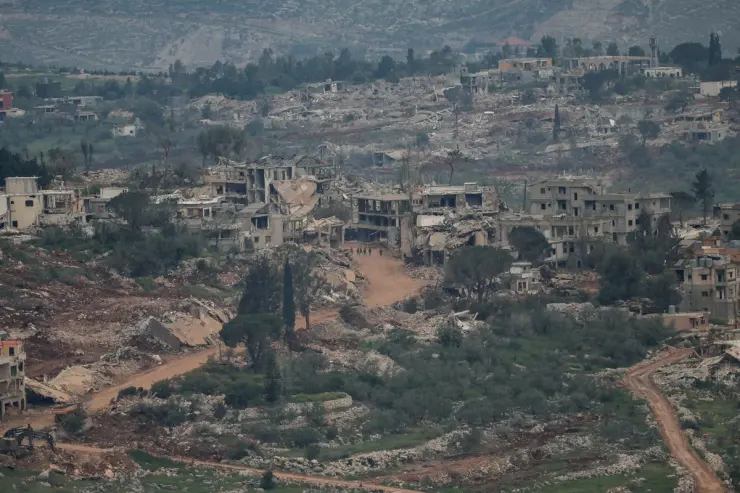
Tensions in the Middle East have surged again as Israeli airstrikes in Lebanon have reportedly killed at least 14 people, raising fears that a fragile ceasefire could completely unravel. The escalation highlights not only the volatility of the Israel–Hezbollah conflict but also the broader humanitarian and geopolitical consequences unfolding in the region.
Escalation Despite Ceasefire Agreements
A temporary truce between Israel and Lebanon, brokered with international involvement, was intended to pause hostilities for three weeks. However, the ceasefire has proven increasingly unstable.
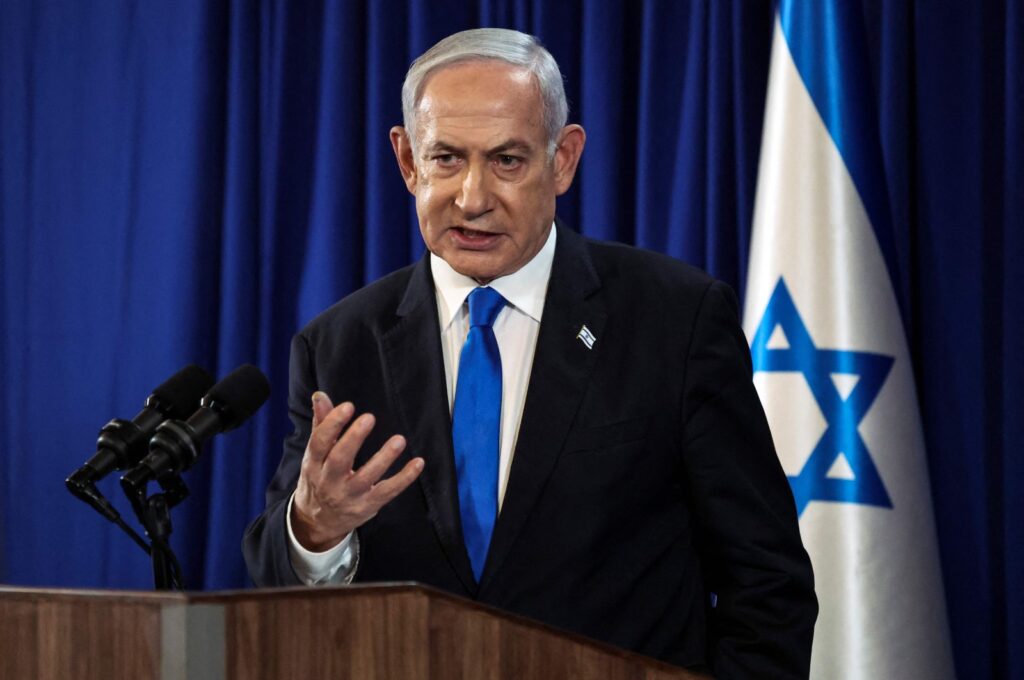
Israeli Prime Minister Benjamin Netanyahu stated that Israeli forces are “acting with force” in response to drone and missile attacks allegedly launched by Hezbollah. According to Israeli officials, these actions constitute violations of the truce agreement.
On the other side, Hezbollah and Lebanese authorities argue that Israel’s continued airstrikes are themselves undermining the ceasefire. This mutual blame underscores a key issue: ceasefires without strong enforcement mechanisms often collapse under competing narratives and retaliatory logic.
Reports from Agence France-Presse (AFP) suggest that at least 36 people have been killed since the agreement began, indicating that “CEASEFIRE” in this context has been more symbolic than effective.
Civilian Toll and Humanitarian Crisis
The human cost of this conflict is staggering. Lebanese officials report that over 2,500 people have been killed since the broader conflict reignited. Civilian infrastructure, homes, and essential services have been severely impacted.
According to the United Nations, more than 1 million people—nearly 20% of Lebanon’s population—have been displaced. This is not just a statistic; it represents families uprooted, communities fractured, and a nation under immense strain.
Of those displaced, approximately 200,000 have fled into neighboring Syria, a country already grappling with its own prolonged humanitarian crisis. This cross-border displacement risks compounding instability in an already fragile region.
Why the Ceasefire Is on the Brink of Collapse
Several factors are pushing the ceasefire toward failure:
- Lack of Trust: Both Israel and Hezbollah accuse each other of violations, creating a cycle of retaliation.
- Asymmetric Warfare: Hezbollah’s use of drones and missiles versus Israel’s air superiority leads to uneven but continuous escalation.
- Regional Stakes: Iran’s influence over Hezbollah and Western backing of Israel add layers of geopolitical tension.
- Weak Enforcement: Without a robust monitoring or enforcement body, ceasefires rely heavily on voluntary compliance—which is currently absent.
In essence, the ceasefire lacks both the structure and the political will needed to hold. If the current trajectory continues, a full-scale conflict between Israel and Hezbollah becomes increasingly likely. Such a scenario could:
- Further destabilize Lebanon’s already fragile economy and political system
- Draw in regional powers, escalating into a broader Middle Eastern conflict
- Deepen the humanitarian crisis, increasing refugee flows and civilian casualties
The situation in Lebanon is a reminder that ceasefires without accountability mechanisms are often temporary pauses rather than lasting solutions. As violence continues and civilian suffering grows, the international community faces mounting pressure to intervene more decisively.