

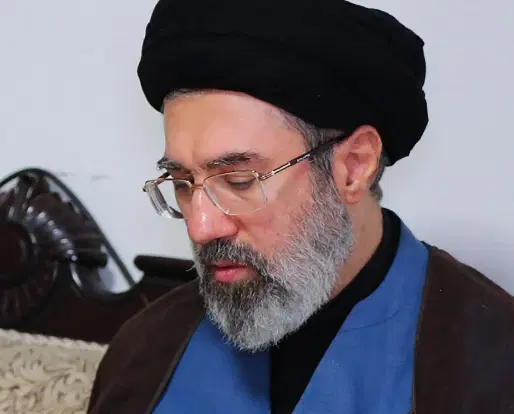
Iran has formally appointed Mojtaba Khamenei as the country’s new Supreme Leader following the death of his father, Ali Khamenei. The development marks one of the most consequential political transitions in the Islamic Republic in more than three decades and arrives at a moment of heightened geopolitical tension across the Middle East.
Reports carried by Al Jazeera and other state affiliated outlets indicate that the Assembly of Experts announced the decision on Sunday after conducting deliberations required under Iran’s constitution. The clerical body, which holds exclusive authority to select the Supreme Leader, stated that its members reached the outcome through what it described as a decisive vote.
Assembly of Experts Announces Leadership Decision
In its official declaration, the Assembly of Experts urged citizens to rally behind the new leadership in order to maintain national unity during a period of political uncertainty.
The statement also directed a specific appeal toward influential groups within Iranian society. It called on religious scholars, academics, and intellectuals from seminaries and universities to pledge allegiance to the new leader and support efforts aimed at preserving stability within the Islamic Republic.
Because the Supreme Leader occupies the highest political and religious position in Iran, such appeals typically signal the state’s intention to consolidate authority quickly following a leadership transition.
Death of Ali Khamenei Triggers Succession Process
The appointment follows the reported killing of Ali Khamenei, who had governed Iran as Supreme Leader since 1989. His tenure made him one of the most influential figures in modern Iranian political history.
According to regional reports, he died on February 28 during a joint military operation carried out by the United States and Israel targeting leadership facilities in Tehran amid escalating regional tensions.
His death immediately triggered speculation across diplomatic and intelligence circles regarding the question of succession. The Supreme Leader commands ultimate authority over Iran’s armed forces, intelligence services, judiciary, and strategic policy direction. Consequently, any leadership transition carries profound consequences for the country’s domestic political order and its regional posture.
Mojtaba Khamenei’s Political Influence
Within that context, Mojtaba Khamenei had long appeared among the most closely watched potential successors.
Although he holds the clerical status of a mid level religious scholar rather than the highest theological rank traditionally associated with the office, analysts have repeatedly described him as a powerful behind the scenes figure within Iran’s political establishment.
His influence largely derives from strong ties with the Islamic Revolutionary Guard Corps, the powerful military institution that plays a central role in the country’s security apparatus and political structure. Those connections strengthened his standing among conservative factions that dominate many strategic institutions within the Islamic Republic.
Concerns Over Possible Dynastic Succession
Despite his political connections, Mojtaba Khamenei’s potential rise to power had generated debate within sections of Iran’s clerical elite.
Some critics warned that elevating the son of the former Supreme Leader could create the perception of dynastic succession. Such a development, they argued, risks contradicting the ideological principles upon which the Islamic Republic was established following the 1979 revolution.
Because Iran’s political system emphasizes clerical legitimacy rather than hereditary authority, the optics of family succession remain controversial in certain religious and political circles.
Reaction From Washington
International reactions surfaced even before the leadership announcement became official.
Donald Trump publicly criticized the prospect that Mojtaba might assume Iran’s highest office. Reports indicate that he described the cleric as a “lightweight” and argued that he should not influence the process determining the country’s future leadership.
Although such remarks carried little formal influence over Iran’s internal political procedures, they nonetheless added another layer of geopolitical tension to an already volatile regional environment.
A Defining Moment for Iran’s Political Future
Under Iran’s constitutional framework, the Assembly of Experts retains exclusive authority to appoint the Supreme Leader. Through its vote, the body has now transferred the most powerful office in the country to Mojtaba Khamenei.
The transition therefore marks a defining moment for the Islamic Republic. It introduces a new leader whose authority will shape Iran’s domestic political consolidation, its strategic relationship with powerful institutions such as the Islamic Revolutionary Guard Corps, and its response to the intensifying geopolitical rivalry unfolding across the Middle East.
As a result, governments, analysts, and diplomatic observers now watch closely to see how the new Supreme Leader consolidates power and navigates the complex regional environment that emerged following the death of Ali Khamenei.








2 thoughts on “Iran Names Mojtaba Khamenei Supreme Leader After Father’s Death”