

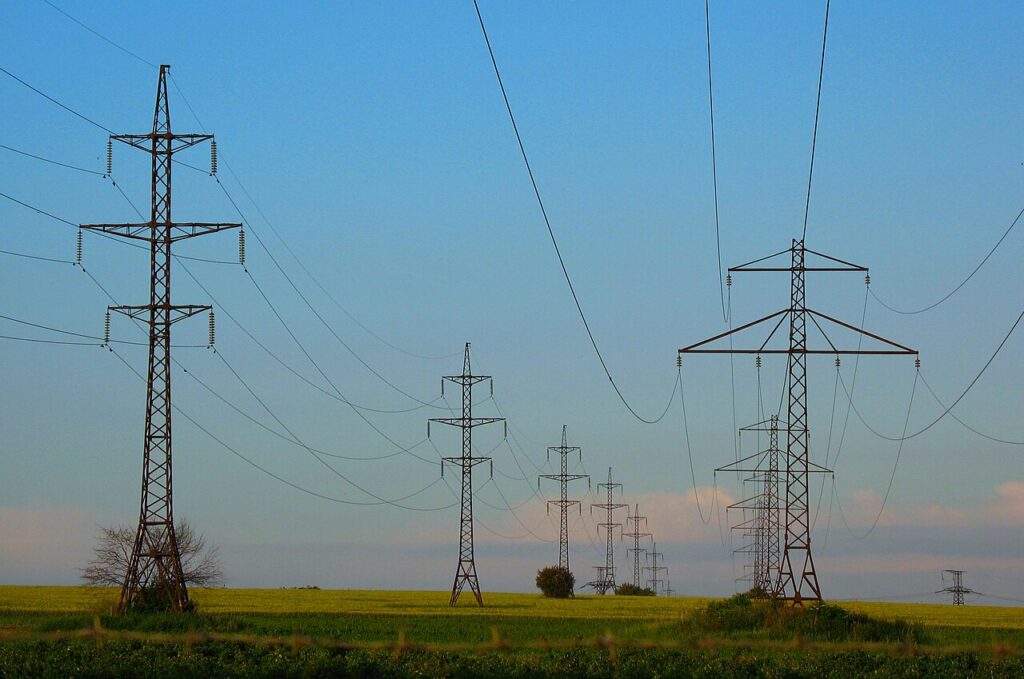
Power supply on Nigeria’s national grid fell to about 3,659 megawatts (MW) at 3pm on Thursday, 5 November 2026. The day before, generation had peaked at 3,996MW. The Nigerian Independent System Operator (NISO), which manages the grid, blamed gas shortages at thermal plants and low water at hydropower dams.
Why it matters: Less power on the grid means fewer hours of light at home, and more money spent on petrol, diesel or solar to fill the gap.
Key facts at a glance
- Grid output dropped by 337MW in a day, from 3,996MW to 3,659MW.
- That is about 37% below the grid’s record of 5,801.84MW, set in March 2025.
- The 11 distribution companies (DisCos) shared 3,031MW at 5:39pm on Thursday.
- The Ministry of Power said there had been no major collapse of the national grid.
Why did power supply drop?
NISO gave two reasons in a statement on Thursday. Gas supply to thermal power stations was limited, and less water was flowing into the reservoirs that feed hydropower plants.
“The limited availability of gas has constrained the capacity of affected thermal generating stations to operate at their available levels,” NISO said, according to Vanguard.
Most of the grid’s power comes from gas-fired plants, BusinessDay reported. The three big hydro stations, Kainji, Jebba and Shiroro, supply a smaller share, and their output rises and falls with river levels.
NISO said the shortfall cut the power it could send to DisCos. That led to “reduced hours of electricity supply and increased load shedding” (planned power cuts to share limited supply), Daily Trust reported.
How much power did each DisCo get?
NISO’s allocation data at 5:39pm on Thursday, as reported by Vanguard, showed:
- Abuja: 669MW
- Ibadan: 413MW
- Port Harcourt: 338MW
- Benin, which serves Edo and neighbouring states: 279MW
- Enugu: 267MW
- Eko: 256MW
- Ikeja: 249MW
- Kano: 173MW
- Kaduna: 167MW
- Jos: 146MW
- Yola: 74MW
Lagos is served by two DisCos, Eko and Ikeja, which together got 505MW.
What did the Ministry of Power say?
In a separate statement on Thursday, the ministry said it had received complaints about worsening supply in Lagos, Abuja, Ogun, Kwara and Oyo states. It noted that these areas had seen better supply before the latest problems.
The ministry ruled out a major or system-wide grid failure. Early checks, it said, pointed to maintenance work and operational faults in parts of the power chain, on top of the drop in generation.
“We recognise what every hour without power means for individuals, families and businesses, and we do not take it lightly,” the ministry said.
It said the Minister of Power, Joseph Tegbe, was working with the Transmission Company of Nigeria (TCN), NISO and the DisCos to fix the problems and speed up maintenance. Tegbe, a former KPMG Africa partner, was sworn in on 8 June 2026 after his predecessor, Adebayo Adelabu, resigned to pursue his political career.
What does it mean for you?
Less power for each DisCo means longer outages for its customers. Homes and small businesses that switch to generators pay for fuel on top of their electricity bills.
NISO said the effect would differ from one network to another, depending on each DisCo’s share of the available power.
Background
- 4 March 2025: Grid sets its record peak of 5,801.84MW, according to TCN.
- 8 June 2026: Joseph Tegbe is sworn in as Minister of Power.
- 4 November 2026: Generation peaks at 3,996MW.
- 5 November 2026: Output falls to 3,659MW by 3pm; NISO and the ministry explain the shortfall.
What happens next?
Neither NISO nor the ministry gave a date for supply to return to normal. NISO said it was working to add other energy sources to the mix but gave no details or timeline. Customers can follow load-shedding schedules from NISO, TCN and their local DisCo.
Related coverage
- Customs begins release of 300 power equipment containers stuck at ports
- Naira trades near ₦1,371 as currency pressure weighs on households
Sources: Daily Trust – NISO blames gas shortage for low electricity supply · BusinessDay – Grid operator blames gas shortages, low water for power slump · Vanguard – Power generation drops to 3,659MW · BusinessDay – Tinubu swears in Tegbe, Enikanolaiye · Nairametrics – Power generation hits record 5,801.84MW

Join the conversation
Comments are moderated. Keep it respectful and on topic: no insults, hate, spam or personal details.