

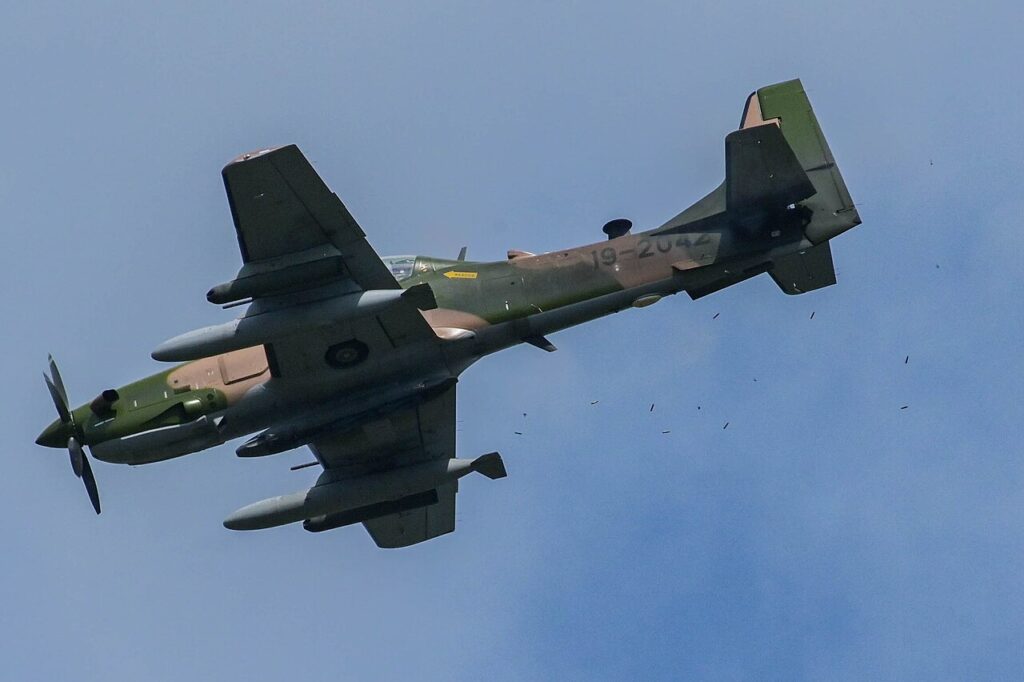
The Defence Headquarters (DHQ) says there is no Boko Haram ceasefire. Its spokesman told reporters in Abuja on Thursday, 5 November 2026, that troops remain on the attack against the insurgents and other armed groups across Nigeria.
Why it matters: Reports of a secret truce, tied to the release of more than 300 abducted civilians in Borno, have circulated since September, and the military has now denied them on the record.
Key facts at a glance
- DHQ said there is no ceasefire with Boko Haram, the Islamic State West Africa Province (ISWAP) or any other armed group.
- The military said it carried out 588 operations in the past two months.
- It claimed 435 terrorists killed, 809 suspects arrested and 717 kidnap victims rescued.
- None of these figures has been independently verified.
What did the military say about a Boko Haram ceasefire?
Major General Samaila Uba, Director of Defence Information, spoke at a joint security briefing at the National Counter Terrorism Centre, part of the Office of the National Security Adviser (ONSA).
“There is nothing like a ceasefire,” Uba said, according to Premium Times. He added: “We will continue to sustain pressure on these criminal elements.”
Voice of Nigeria, the state broadcaster, reported that the armed forces would stay on “full offensive until all armed non-state actors” are defeated or brought to justice.
Where did the ceasefire claim come from?
In September 2026, The New Humanitarian reported that the federal government had made a quiet truce with a Boko Haram faction led by Bakura Doro. Premium Times republished the report.
It said the truce had been in place since June and had kept parts of the North-East fairly calm for about three months. It linked the deal to efforts to free more than 300 civilians abducted in March from Ngoshe, in Gwoza Local Government Area, Borno State. ISWAP, the rival faction, was not covered.
HumAngle later reported that a Boko Haram judge denied the truce. Its sources suggested a small Boko Haram team may have agreed to the government’s request without the leadership’s approval.
Presidential spokesman Bayo Onanuga declined to comment when Premium Times asked, and referred questions to ONSA and the Ministry of Defence.
What results did the military claim?
DHQ listed these figures for the past two months:
- 588 operations across all geopolitical zones
- 435 terrorists killed and 809 criminal suspects arrested
- 198 insurgents surrendered
- 717 kidnap victims rescued, among them 20 prospective NYSC (National Youth Service Corps) members in Owerri, Imo State, and 11 people in Danko-Wasagu, Kebbi State
- 5,666 arms, rounds of ammunition, explosives and IEDs (improvised explosive devices, or homemade bombs) recovered
- 57 illegal oil refining sites destroyed in the Niger Delta and more than 1,061,000 litres of stolen petroleum products recovered
The military said operations in Buni Yadi, Baga, Kukawa, Bittai and Owo Forest killed several commanders. These claims come from the military alone.
Why are insurgents moving to new areas?
Uba said fighters had left old strongholds for places such as Owo Forest. He presented this as a sign that military pressure had made their bases unsafe.
He said military intelligence was mapping the routes they use. The army has also set up new combat formations, specialised battalions and forward units.
What is changing in the MNJTF?
The Multinational Joint Task Force (MNJTF) was set up in 2015 to fight Boko Haram around Lake Chad. Its members are Nigeria, Niger, Chad, Cameroon and Benin.
Niger has stopped taking part since it joined Mali and Burkina Faso in the Alliance of Sahel States (AES). The three military-led countries left ECOWAS, the West African regional bloc, and have so far turned down offers to return.
Uba said DHQ had hosted a forum of serving and former MNJTF commanders, academics and security analysts on how to reposition the force. Premium Times reported that Nigeria now plans to work with the AES countries on this. “I assure you that we will begin to see the dividends of that high-level engagement very soon,” Uba said.
What happens next?
DHQ gave no timeline for the MNJTF changes, or for when the results of the regional talks would be made public.
Related coverage
- NDLEA flags rising role of South Africans in drug trafficking
- Borno attack: four police officers and a hunter killed
- Rabe Abubakar: retired general and wife abducted in Katsina
- Zamfara airstrike: Amnesty says 100 killed at Tumfa market
Sources: Voice of Nigeria – Defence Headquarters rules out ceasefire deal with terrorists · Premium Times – Nigerian military denies ceasefire deal with Boko Haram · Premium Times – Nigeria to partner with AES countries to reposition MNJTF

Join the conversation
Comments are moderated. Keep it respectful and on topic: no insults, hate, spam or personal details.