Key points
- The U.S. has reopened its embassy in Venezuela after seven years
- Diplomatic relations were restored following the capture of Nicolas Maduro
- The move signals renewed U.S. engagement in a major oil-producing nation
- Venezuela’s new leadership is working with the U.S. on economic cooperation
U.S. Reopens Embassy in Venezuela
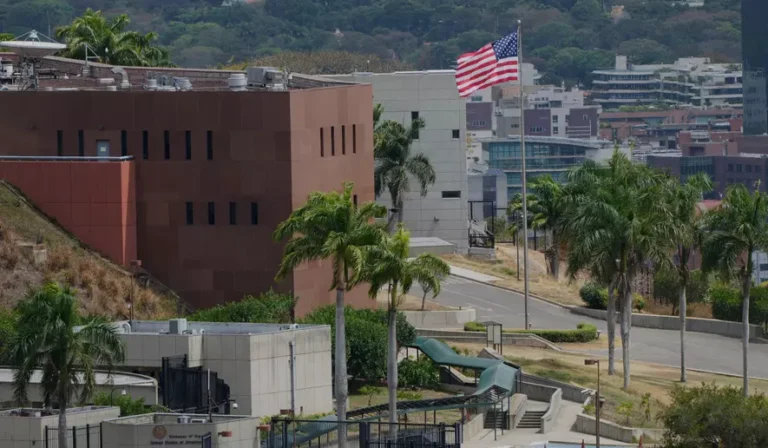
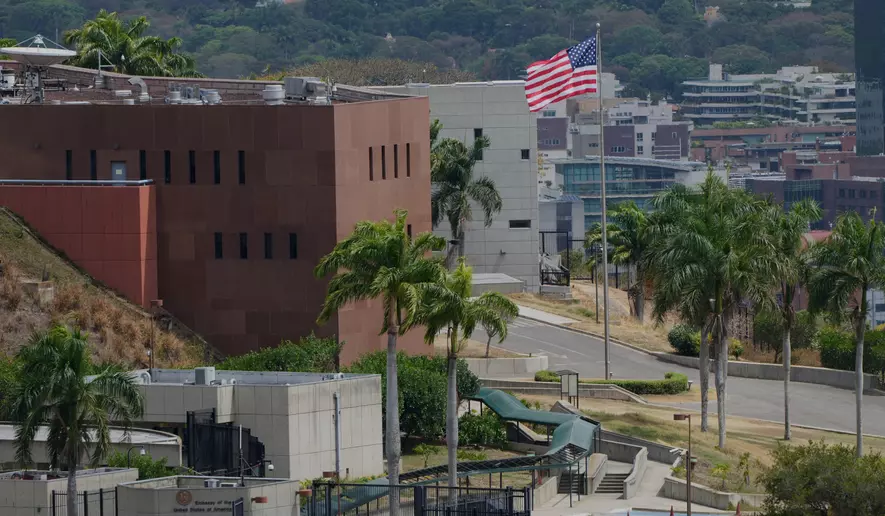
The United States has officially reopened its embassy in Caracas, marking a major shift in relations between Washington and Venezuela.
The reopening comes seven years after both nations severed diplomatic ties and just months after the capture of former president Nicolas Maduro.
According to the U.S. State Department, the move represents a significant milestone in restoring America’s diplomatic presence in a country with the world’s largest proven oil reserves, estimated at over 300 billion barrels.
Trump Administration Pushes New Venezuela Strategy
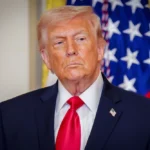
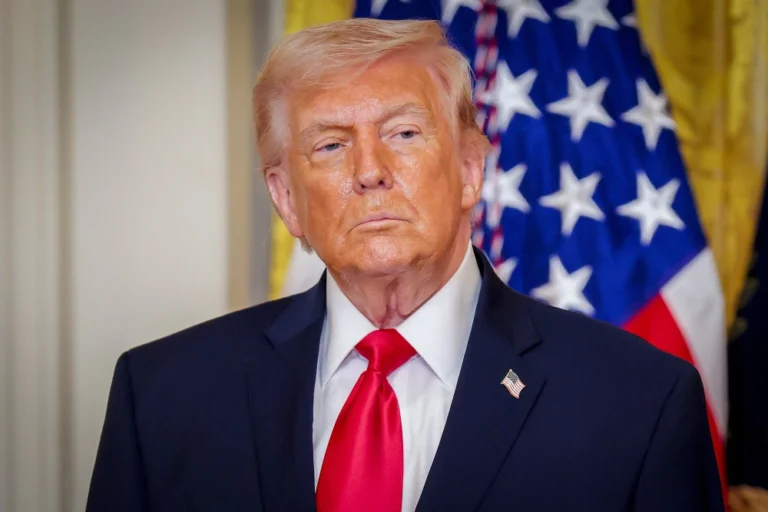
The reopening is part of a broader strategy led by Donald Trump aimed at rebuilding relations with Venezuela.
“The resumption of operations at the U.S. Embassy in Caracas is a key milestone… and will strengthen our ability to engage directly with Venezuela’s interim government, civil society, and the private sector,” the State Department said.
U.S. Ambassador Laura Dogu arrived earlier in the year to oversee efforts to restore embassy operations.
A symbolic moment came on March 14, when the American flag was raised again at the embassy—exactly seven years after it was lowered.
How Relations Broke Down
Diplomatic ties between the two nations collapsed after Venezuela’s disputed 2018 election.
At the time, the U.S. recognized opposition leader Juan Guaido as interim president, prompting Maduro to cut ties and expel American diplomats.
Capture of Nicolas Maduro Changes Political Landscape
A major turning point came in January when U.S. forces carried out a special operation that led to Maduro’s capture.
He and his wife, Cilia Flores, were taken into custody and later transported to the United States to face charges related to alleged drug trafficking.
Following his removal, leadership in Venezuela transitioned to Delcy Rodriguez, who has since engaged in diplomatic efforts with the U.S.
Venezuela Opens Doors to U.S. Cooperation
Under Rodriguez’s leadership, Venezuela has shown willingness to cooperate with the U.S., including reopening its oil sector to American companies.
President Trump praised the development, saying:
“Delcy Rodriguez… is doing a great job and working with U.S. representatives very well. The oil is beginning to flow, and the professionalism and dedication between both countries are a nice thing to see.”
Rodriguez responded positively, expressing appreciation for renewed cooperation between both nations.
What This Means for Global Oil and Politics
Venezuela’s vast oil reserves make it a critical player in global energy markets.
The restoration of diplomatic ties could:
- Boost global oil supply
- Stabilize energy markets
- Strengthen U.S. influence in Latin America
Residents in Caracas have welcomed the reopening of the U.S. embassy, seeing it as a sign of progress.
“It’s a good thing… other countries must come back too because that’s what we need: progress,” one resident said.
Travel Advisory Updated
The U.S. State Department has updated its travel advisory for Venezuela, removing warnings related to unrest and wrongful detention.
However, Americans are still advised to reconsider travel due to risks such as the following:
- Crime
- Kidnapping
- Terrorism
- Weak healthcare infrastructure
With diplomatic relations restored, attention now turns to:
- Full embassy staffing
- Economic cooperation
- Political stability in Venezuela
The move signals a potentially long-term shift in U.S.–Venezuela relations after years of tension.
About The Author