As conflict continues to intensify across the Middle East, new diplomatic signals are emerging from a bloc of countries that rarely speaks in unified security terms. The message is clear. Escalation is no longer just a regional concern between a few adversaries. It now carries implications for a much broader geopolitical landscape.
Speaking on behalf of the Organisation of Turkic States, Türkiye’s foreign minister, Hakan Fidan, warned that the current developments across the region present serious risks to peace and long term stability.
His statement reflects growing anxiety among governments that the conflict could expand beyond its current boundaries if military operations and retaliatory strikes continue.
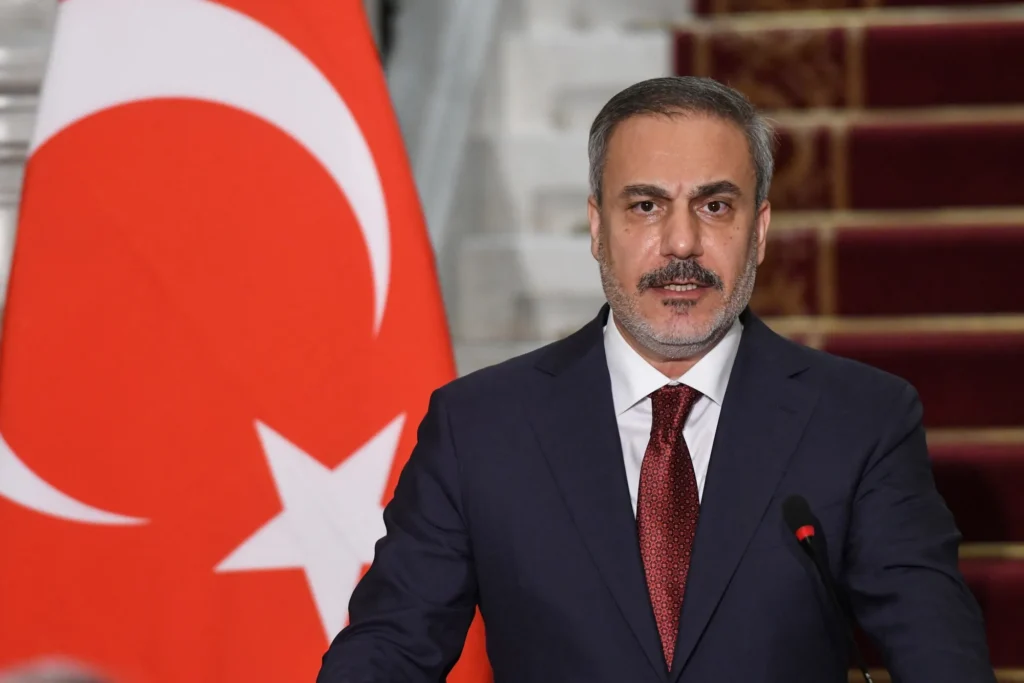
A Diplomatic Alarm from Ankara
Fidan delivered the warning while representing the collective position of the Turkic states, a political and economic alliance that has gradually grown in influence across Eurasia.
According to him, member countries are carefully observing the unfolding crisis and are deeply concerned that continued escalation could destabilize the wider region.
The message was not simply a routine diplomatic remark. It was paired with a coordinated policy signal.
Fidan revealed that the member states had adopted a joint declaration stating that any attack targeting one member would be treated as a matter of serious concern for the entire group.
In international politics this type of language matters. It does not necessarily mean a military alliance like NATO. But it signals political solidarity and a willingness to respond collectively if a member state faces direct security threats.
Understanding the Organisation of Turkic States
The Organisation of Turkic States is an intergovernmental alliance built around countries that share Turkic linguistic and cultural roots. Over the last decade it has slowly evolved from a cultural cooperation platform into a geopolitical partnership that also addresses trade, energy security, and regional diplomacy.
The organization currently includes five full members:
• Azerbaijan
• Kazakhstan
• Kyrgyzstan
• Turkiye
• Uzbekistan
Several additional countries hold observer status, including Hungary, Turkmenistan, and Northern Cyprus.
Together these nations stretch across a vast geographic corridor from Eastern Europe through the Caucasus and deep into Central Asia. That corridor overlaps with major trade routes, energy pipelines, and strategic transit points that connect Asia to Europe.
Why This Statement Matters
At first glance, the organization’s declaration may sound like standard diplomatic language. But in the chessboard of international politics, small sentences often carry heavy meaning.
The joint statement effectively draws a protective circle around member states. If the current conflict spills into neighboring territories or threatens the sovereignty of one of these countries, it will trigger a collective political response.
This matters because several members of the organization sit near regions that could become indirectly affected by the crisis.
For example, Azerbaijan shares deep strategic partnerships with regional actors and plays a key role in energy routes that supply oil and gas to Europe. Meanwhile Central Asian members such as Kazakhstan and Uzbekistan are increasingly important players in global energy and trade networks.
If instability spreads, it could disrupt transport corridors, energy infrastructure, and diplomatic alliances that link Europe, the Middle East, and Asia.
The Strategic Calculus
Foreign policy analysts often describe situations like this as preventive diplomacy. It is the art of sending signals early, before a crisis spreads.
The Turkic states appear to be doing exactly that. By speaking collectively now, they are sending a message to all parties involved in the conflict. Escalation should not extend into their geopolitical sphere.
In essence, the bloc is attempting to build a diplomatic firewall. The message is subtle but firm. The war may be unfolding elsewhere, but if it begins to threaten the security of any Turkic state, the issue will immediately become a shared concern.
A Region Already Under Pressure
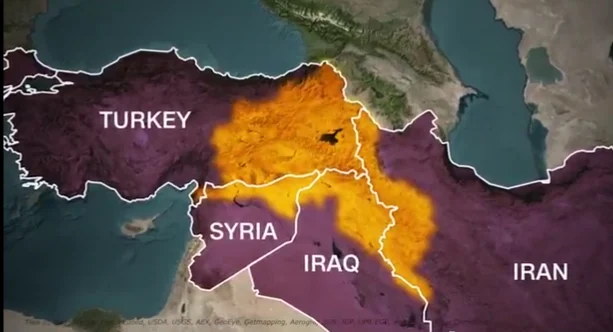
The Middle East is one of the most interconnected geopolitical regions in the world. Military conflicts rarely stay confined within one country’s borders. History repeatedly shows that once multiple powers become involved, alliances and rivalries quickly expand the battlefield.
That reality is why governments far beyond the immediate conflict zone are now raising alarms.
Statements like the one delivered by Hakan Fidan serve two purposes at once. They call for de escalation while also signaling readiness to protect national interests if the crisis spreads.
For now, the Organisation of Turkic States remains in monitoring mode, carefully watching developments and coordinating its diplomatic posture.
But the underlying message is unmistakable. If the conflict widens further, it will not remain a localized war. It could trigger reactions from a network of states whose economic, political, and security interests are tightly woven into the broader Eurasian landscape.
About The Author