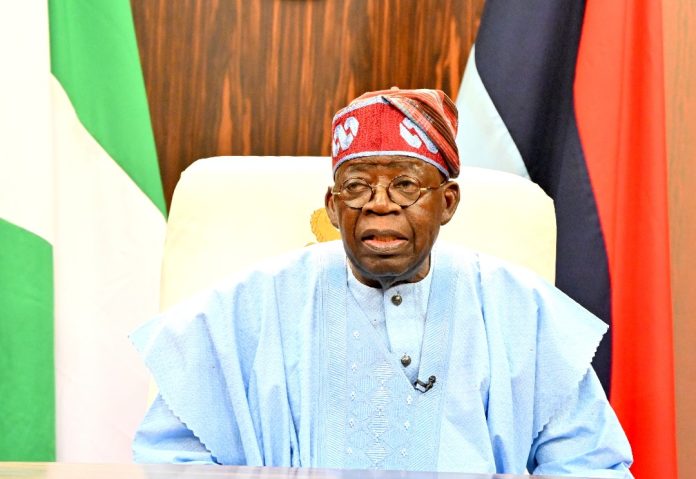
Bola Ahmed Tinubu, on Friday, said he will address tariffs on newspaper and broadcasting materials to empower the media industry to discharge its constitutional role effectively.
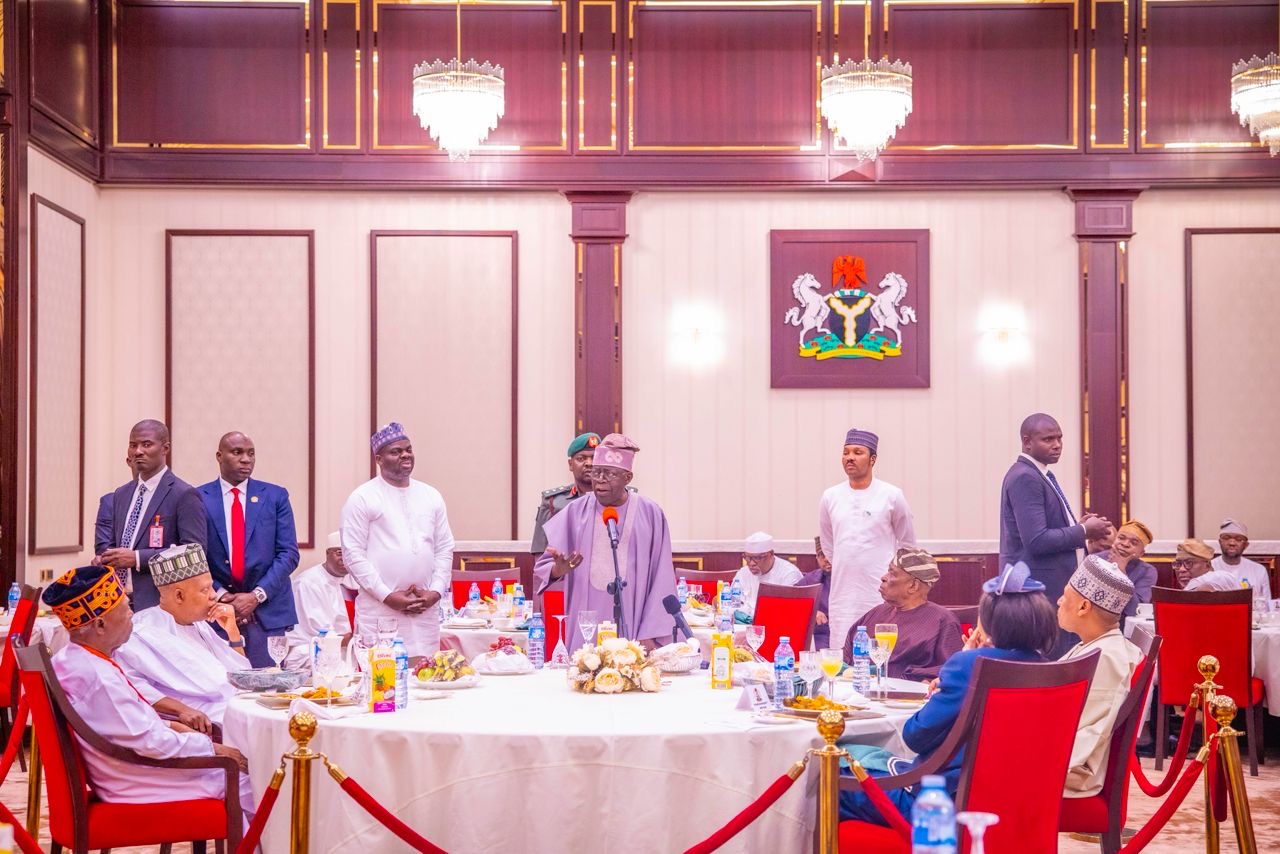
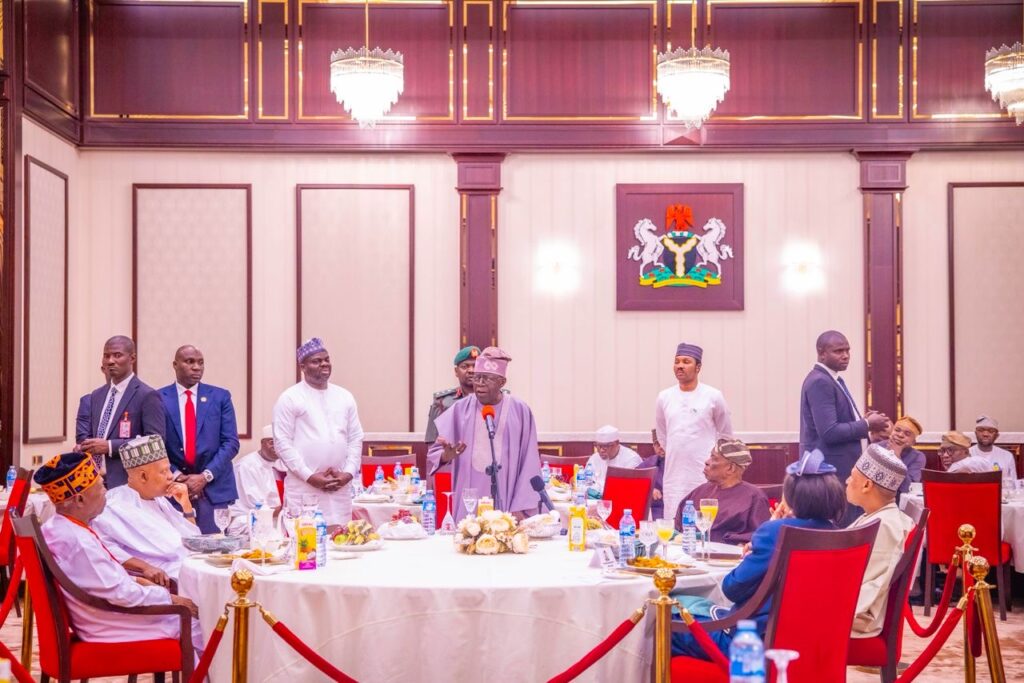
The President pledged at the State House while hosting leaders of Nigeria’s media industry, including representatives of the Nigeria Press Organisation, Newspaper Proprietors Association of Nigeria, Broadcasting Organisation of Nigeria, Nigerian Guild of Editors, and the Nigeria Union of Journalists.
Tinubu Commends Nigerian Media for Informing Citizens
During the meeting, President Tinubu praised media owners, editors, and journalists for their dedication to informing and educating Nigerians.
He also acknowledged the media’s role in providing employment and sustaining livelihoods for thousands of people across the country.
President Defends Tough Economic Decisions
The President noted that responsible leadership requires taking difficult decisions when necessary, even when they are unpopular.
“Leadership must, as a matter of responsibility, make decisions at the best time. Yes, I accepted my predecessor’s assets and liabilities because I applied for the job and was given the job. So, I have to do it. But if anybody tells you it’s easy, it’s a lie. I thank you for your criticism at the beginning of the administration. You challenged me. Thank you for inspiring and challenging me at a critical moment in my life.
“But having asked for the job and got it, I can’t look back other than to make corrections as I move along. We had to save the nation and bring it back from the brink. Can you imagine a nation that owes airlines for ticket reimbursements and faces galloping exchange rates and inflation?
“Today, I can stand proudly before you and say that we are back from the brink”, he further stated.
Tinubu Responds to Media Industry Tariff Concerns
Responding to requests for intervention on tariffs affecting the media industry, President Tinubu acknowledged that the issue had been discussed.
“We discussed issues of tariffs this afternoon. What I cannot report back here is whether I took action in the areas that affect you. But if I missed that, I will go back to rectifying whatever was necessary.”
The President also emphasized that he values constructive criticism from the media.
He added that as an avid reader of Nigerian newspapers, he accepts criticism in good faith because everyone ultimately wants the best for the country.
Media Leaders Seek Protection for Journalism Jobs
Speaking during the meeting, Frank Aigbogun, who represented the Nigeria Press Organisation, asked the government to intervene on import tariffs affecting newsprint and broadcasting equipment.
He also urged the government to protect Nigerian journalism jobs from large technology companies that use editorial content without compensation.
Information Minister Expresses Confidence in Tinubu’s Leadership
The Minister of Information and National Orientation, Mohammed Idris, expressed confidence in the President’s leadership and resilience.
He said the Nigerian media industry has high expectations that the administration will guide the country toward sustainable progress.
Idris also encouraged journalists to continue performing their constitutional duty responsibly while holding government institutions accountable.
Osoba Praises Economic Reforms
Meanwhile, Olusegun Osoba, the Grand Patron of the Newspaper Proprietors Association of Nigeria, commended the President for implementing bold economic reforms.
Osoba highlighted policies such as the creation of the Nigeria Revenue Service and the National Single Window initiative, which he said could significantly increase national revenue.
Tinubu Urges Media to Demand Accountability Nationwide
President Tinubu also encouraged the media to hold all levels of government accountable.
He noted that federal government reforms have increased revenue allocations to states and local governments, and citizens should demand improved services from those authorities.
What This Means for Nigeria’s Media Industry
Tariffs on newsprint and broadcasting equipment have long been a challenge for Nigerian media organisations, increasing operational costs for newspapers and broadcasters.
Industry leaders hope that government intervention could reduce these financial pressures and help sustain journalism in the country.
About The Author