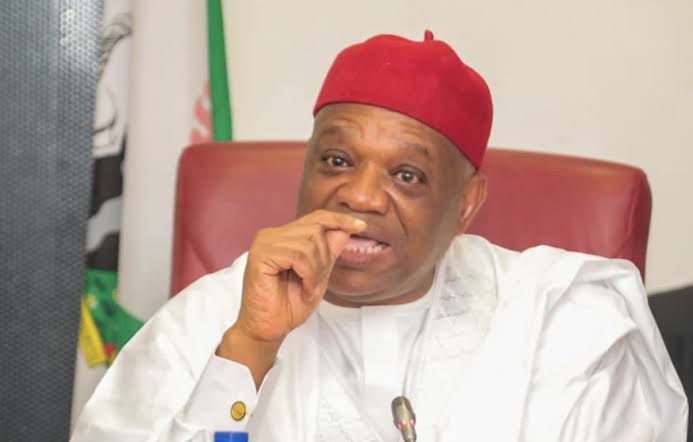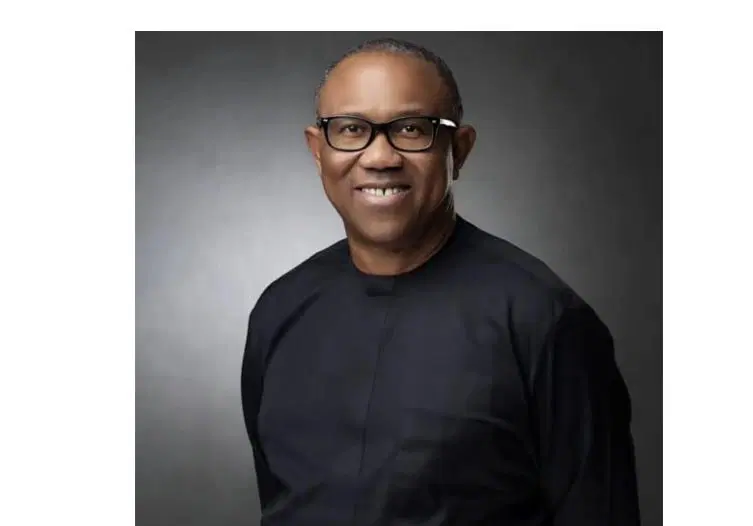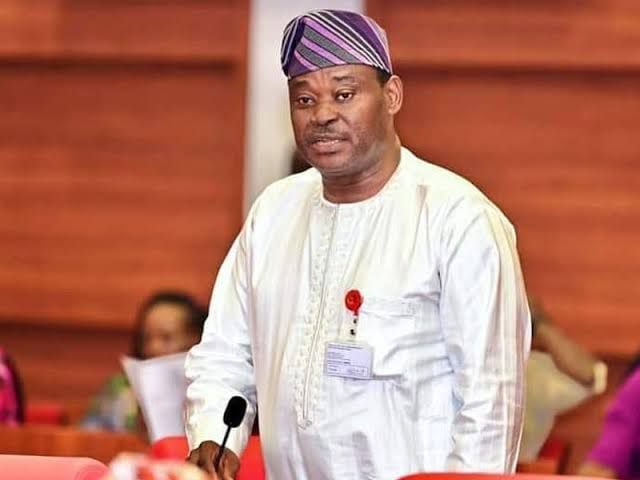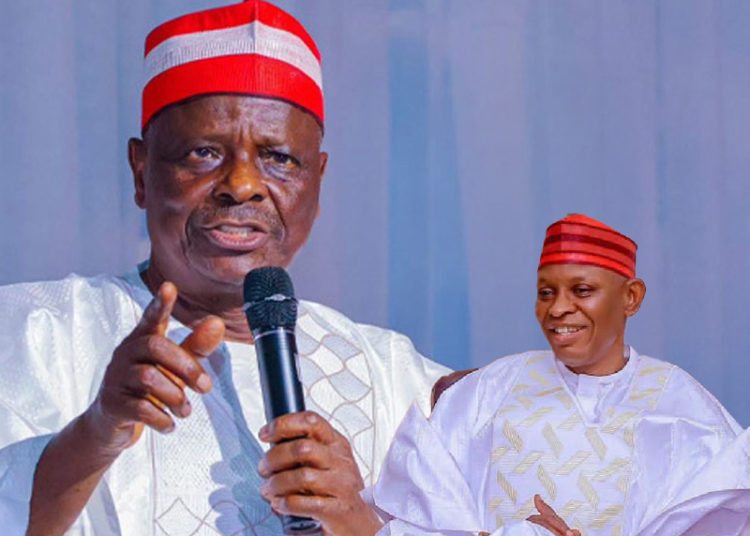
Former presidential candidate and NNPP national leader, Rabiu Musa Kwankwaso, has announced his resignation from the New Nigeria People’s Party (NNPP).
Kwankwaso is expected to formally join the African Democratic Congress (ADC), marking a significant shift in Nigeria’s political landscape.
Kano Governor’s Aide Reacts
Reacting to the development, Sanusi Bature Dawakin-Tofa, spokesperson to the Kano State governor, criticized the move, describing it as a major political lesson.
In a Facebook post, he dismissed earlier claims that those who left the NNPP had betrayed the party.
“Since I started politics, I have not seen a lesson greater than this,” he said. “People say we have betrayed simply because we left the NNPP. At the time, we did not say we were leaving the Kwankwasiyya movement, nor did we abandon our ideology, nor did we stop wearing the red cap.”
“He Has Betrayed Himself” — Dawakin-Tofa
Dawakin-Tofa argued that Kwankwaso’s defection changes the narrative surrounding loyalty within the political movement.
“It has now become necessary for us to pray for our leader, because today he has betrayed himself, as he too has left the NNPP,” he added.
“Now, everything has evened out—everyone has ‘betrayed’ me, Boniface, in one way or another.”
Call for Reconciliation
Despite the criticism, the governor’s aide ended his remarks on a lighter note, calling for forgiveness among all parties involved.
“May God forgive us all, and may He forgive him too, lol.”
What This Means for Kano Politics
Kwankwaso’s defection is expected to have a significant impact on the Kwankwasiyya movement, particularly in Kano State, where it commands strong grassroots support.
Political analysts say the move could reshape alliances ahead of future elections and alter the balance of power within the region.
About The Author